Additive Metal Manufacturing
3D printed metal for repair, rebuild, and near-net parts.
We specialize in building metal up—restoring worn tooling, rebuilding damaged components, and producing near-net metal parts ready for CNC, EDM, and grinding.ffffffff
Quantified Performance Benefits
Why Additive Metal Manufacturing
Through reduced material waste, machining time, and revisions.
By reducing rough machining, distortion, and rework.
Compared to machining near-net parts from solid billet.
Actual results vary by geometry, material, and finishing requirements.
About Us
About Wire Foundry
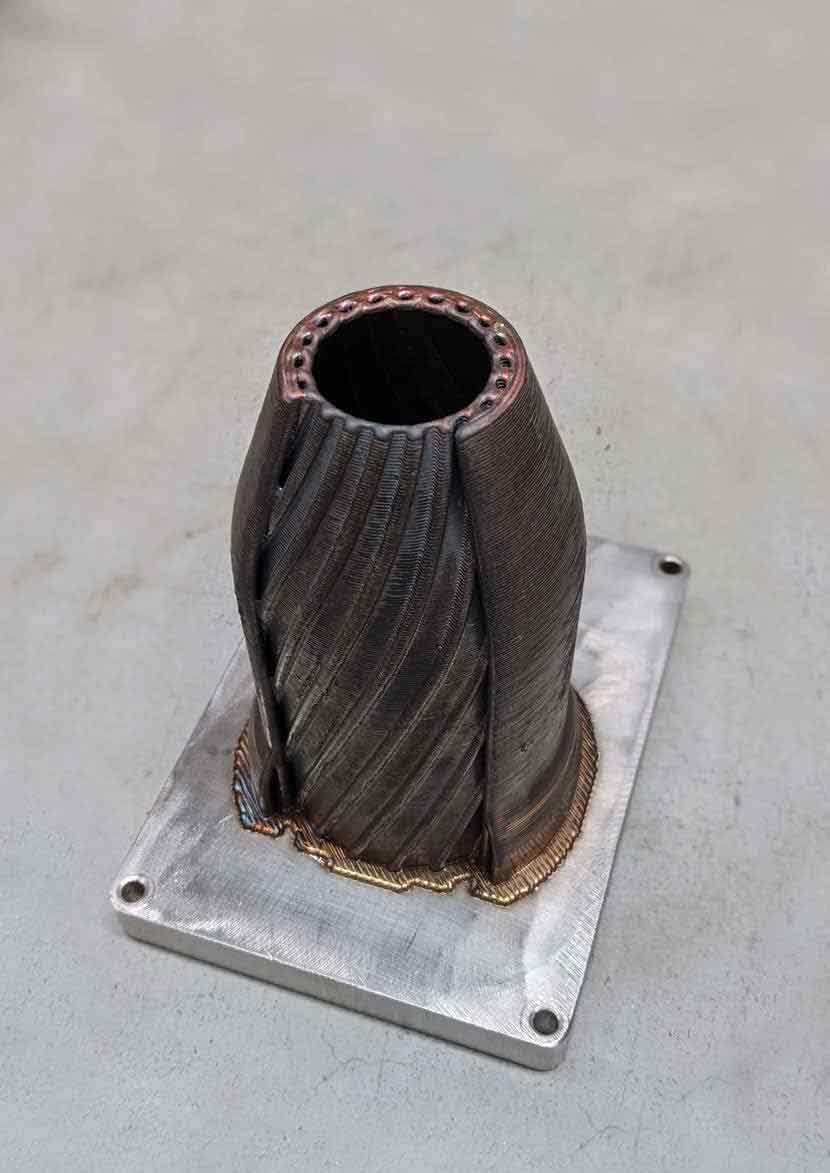
Wire Foundry provides additive metal manufacturing services using laser wire deposition. We focus on applications where traditional machining, welding, or part replacement is inefficient, costly, or slow.
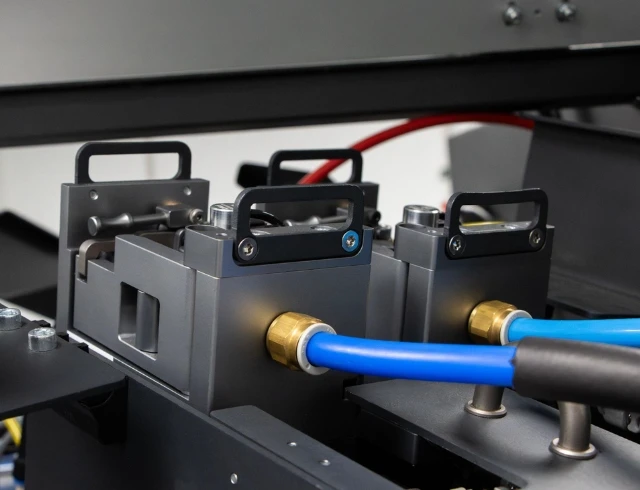
Our process is particularly well suited for:
- Tool, die, and stamping component repair
- Near-net metal parts that reduce machining time and material waste
- Add-feature and add-mass operations prior to CNC, EDM, or grinding
- Salvaging or modifying high-value components
- Low-volume industrial parts where casting or billet machining is impractical
We support end-to-end delivery when needed, coordinating downstream CNC machining, EDM, and grinding through trusted partners or working directly with your preferred finishing vendors.
What We Offer
Our Services
Wire Foundry provides a comprehensive range of precision machining and EDM services to support tooling, production, and prototype requirements.
Tool, Die & Stamping Repair
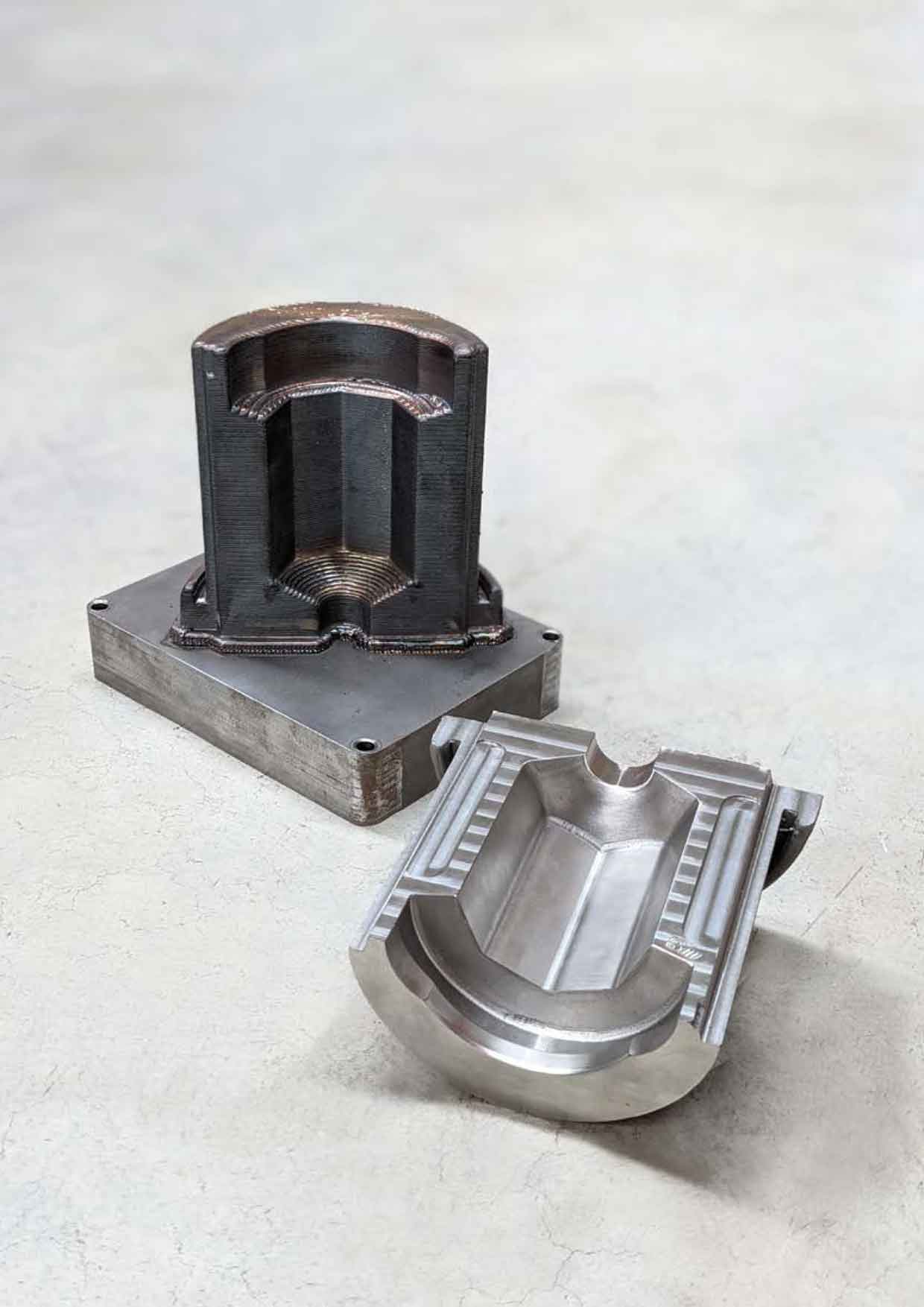
Laser additive rebuild of worn, damaged, or mis-machined tooling components. Repairs are performed on removable sections and restored for long service life.
Near-Net Metal Components
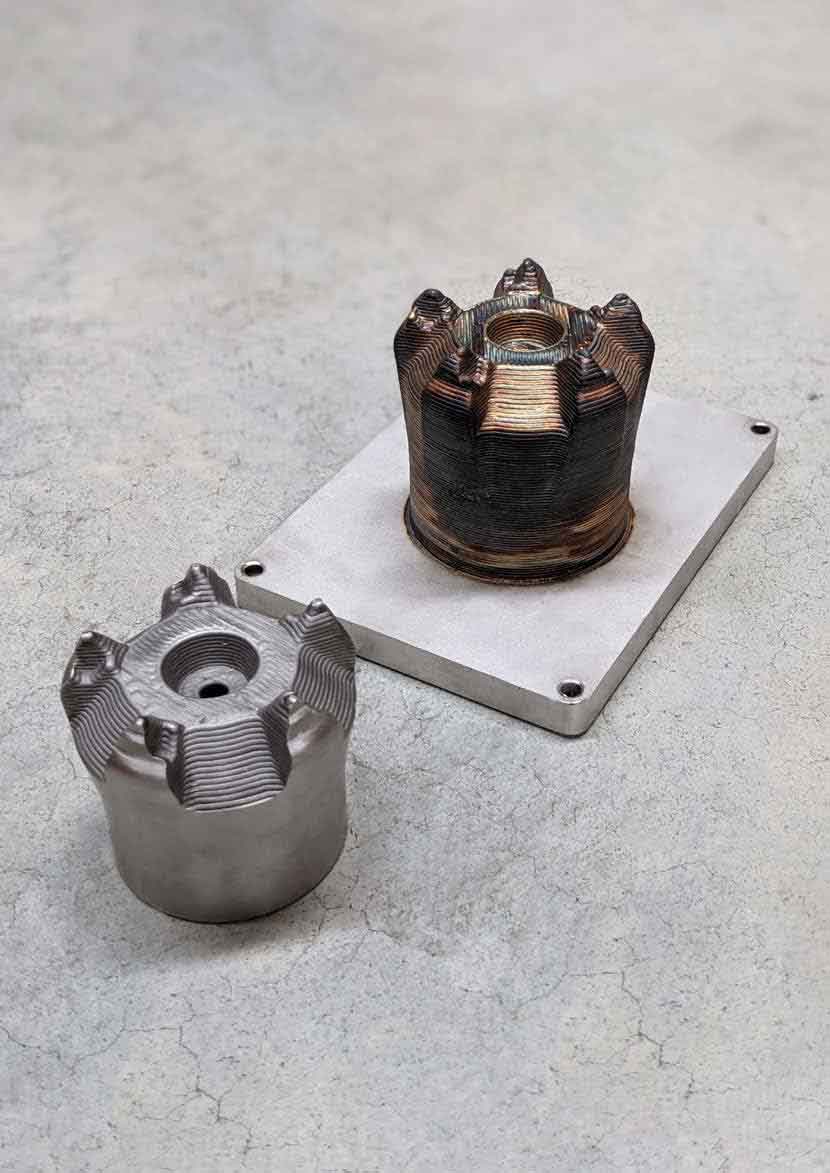
Near-net fabrication of complex or heavy metal parts to reduce machining time, material waste, and lead time.
Low-Volume Parts & Prototypes
One-off or short-run metal components where casting or full billet machining is inefficient.
Finishing & Delivery
We coordinate finishing as needed—including CNC machining, EDM, grinding, and polishing—so customers can receive finished or finish-ready parts without managing multiple vendors.
Applications
Wire Foundry Applications
Select the application category that best matches your operation.
Common repair and rebuild components:
- Progressive die inserts
- Forming inserts and form blocks
- Trim steels and trim inserts
- Punches, punch tips, and piercing tools
- Coining and embossing features
- Wear plates and wear strips
- Shutoff surfaces
- Cam blocks and lifter components
- Die buttons and pads
- Mold inserts and cavity blocks
- Parting-line build-ups
- Edge restoration on cutting or forming features
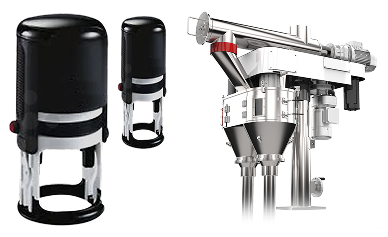
Common repair and rebuild components:
- Progressive die inserts
- Forming inserts and form blocks
- Trim steels and trim inserts
- Punches, punch tips, and piercing tools
- Coining and embossing features
- Wear plates and wear strips
- Shutoff surfaces
- Cam blocks and lifter components
- Die buttons and pads
- Mold inserts and cavity blocks
- Parting-line build-ups
- Edge restoration on cutting or forming features
Typical use cases:
- Worn edges or radii
- Chipped or cracked features
- Broken corners
- Dimensional correction (add material → re-machine)
- Salvaging tooling that would otherwise be scrapped
Near-net components for finishing:
- Tool steel or stainless blocks with complex geometry
- Brackets and structural components with thick sections
- Housings with curved or organic shapes
- Parts with multiple bosses, ribs, or mounting features
- Add-boss or add-pad modifications to existing parts
- Hard-to-machine alloys (tool steels, Inconel, stainless)
- Repair-and-machine workflows for damaged customer parts
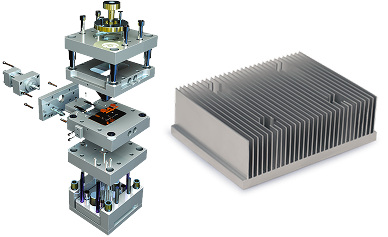
Near-net components for finishing:
- Tool steel or stainless blocks with complex geometry
- Brackets and structural components with thick sections
- Housings with curved or organic shapes
- Parts with multiple bosses, ribs, or mounting features
- Add-boss or add-pad modifications to existing parts
- Hard-to-machine alloys (tool steels, Inconel, stainless)
- Repair-and-machine workflows for damaged customer parts
Benefits:
- Reduced roughing time
- Less material waste
- Fewer machining setups
- More predictable finishing operations
Applications include:
- Large or consistent build-ups prior to machining or grinding
- High-wear zones on tooling or industrial components
- Rebuilds requiring controlled heat input
- Repeatable deposition on similar parts
Applications include:
- Large or consistent build-ups prior to machining or grinding
- High-wear zones on tooling or industrial components
- Rebuilds requiring controlled heat input
- Repeatable deposition on similar parts
Laser deposition provides a clean, uniform foundation for finishing operations.
Low-volume and prototype components:
- Custom brackets and mounts
- Structural supports
- Test fixtures and tooling
- Machinery components
- Design-for-additive parts
- Functional prototypes in production materials
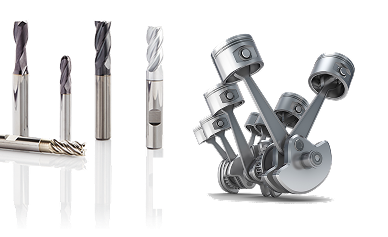
Low-volume and prototype components:
- Custom brackets and mounts
- Structural supports
- Test fixtures and tooling
- Machinery components
- Design-for-additive parts
- Functional prototypes in production materials
Ideal when:
- Volumes are too low for casting
- Geometry is inefficient to machine from billet
- Lead time matters
Tool, Die & Stamping
Common repair and rebuild components:
- Progressive die inserts
- Forming inserts and form blocks
- Trim steels and trim inserts
- Punches, punch tips, and piercing tools
- Coining and embossing features
- Wear plates and wear strips
- Shutoff surfaces
- Cam blocks and lifter components
- Die buttons and pads
- Mold inserts and cavity blocks
- Parting-line build-ups
- Edge restoration on cutting or forming features
Common repair and rebuild components:
- Progressive die inserts
- Forming inserts and form blocks
- Trim steels and trim inserts
- Punches, punch tips, and piercing tools
- Coining and embossing features
- Wear plates and wear strips
- Shutoff surfaces
- Cam blocks and lifter components
- Die buttons and pads
- Mold inserts and cavity blocks
- Parting-line build-ups
- Edge restoration on cutting or forming features
Typical use cases:
- Worn edges or radii
- Chipped or cracked features
- Broken corners
- Dimensional correction (add material → re-machine)
- Salvaging tooling that would otherwise be scrapped
CNC Machine Shops
Near-net components for finishing:
- Tool steel or stainless blocks with complex geometry
- Brackets and structural components with thick sections
- Housings with curved or organic shapes
- Parts with multiple bosses, ribs, or mounting features
- Add-boss or add-pad modifications to existing parts
- Hard-to-machine alloys (tool steels, Inconel, stainless)
- Repair-and-machine workflows for damaged customer parts
Near-net components for finishing:
- Tool steel or stainless blocks with complex geometry
- Brackets and structural components with thick sections
- Housings with curved or organic shapes
- Parts with multiple bosses, ribs, or mounting features
- Add-boss or add-pad modifications to existing parts
- Hard-to-machine alloys (tool steels, Inconel, stainless)
- Repair-and-machine workflows for damaged customer parts
Benefits:
- Reduced roughing time
- Less material waste
- Fewer machining setups
- More predictable finishing operations
TIG Welding & Fabrication Shops
Applications include:
- Large or consistent build-ups prior to machining or grinding
- High-wear zones on tooling or industrial components
- Rebuilds requiring controlled heat input
- Repeatable deposition on similar parts
Applications include:
- Large or consistent build-ups prior to machining or grinding
- High-wear zones on tooling or industrial components
- Rebuilds requiring controlled heat input
- Repeatable deposition on similar parts
Laser deposition provides a clean, uniform foundation for finishing operations.
Industrial, R&D & OEM
Low-volume and prototype components:
- Custom brackets and mounts
- Structural supports
- Test fixtures and tooling
- Machinery components
- Design-for-additive parts
- Functional prototypes in production materials
Low-volume and prototype components:
- Custom brackets and mounts
- Structural supports
- Test fixtures and tooling
- Machinery components
- Design-for-additive parts
- Functional prototypes in production materials
Ideal when:
- Volumes are too low for casting
- Geometry is inefficient to machine from billet
- Lead time matters
Why Meltio's LMD Process?
Precision, Density and Microstructure Control
Meltio’s Wire LMD process ensures parts meet or exceed traditional manufacturing standards with high density, refined microstructure, and outstanding mechanical properties.
High-quality material deposition
0.8-1.2mm welding wire: Ensures the safest, cleanest, and most reliable metal feedstock, avoiding risks associated with powder-based methods. Option for 1.6mm wires* Zero material waste: Every millimeter of wire is melted and deposited, eliminating unused material and reducing waste.
Superior density and precision
99.9% relative density: Verified by CT scans and metallographic analysis, ensuring high-quality, dense parts. Near-net-shape precision: Parts are printed with minimal overbuilding (less than 1 mm), reducing the need for post-processing and machining.
Exceptional mechanical properties
High strength: Meltio parts offer significantly higher tensile and yield strength compared to traditional methods like casting and forging, ensuring durability in demanding applications. Minimal porosity: Optimized laser-wire interaction ensures parts with minimal porosity, contributing to stronger, more reliable parts.
Tailored grain structure and heat treatment
Grain refinement: The rapid solidification process typically results in fine grain sizes, enhancing strength and toughness. Post-processing with heat treatment: Heat treatments can be applied to further enhance material properties, such as reducing internal stresses, improving toughness, and refining grain structure.
Fatigue and structural integrity
Materials
Materials We Work With
We support a broad range of industrial metal alloys commonly used in tooling, machining, welding, and industrial production. Material selection is coordinated based on application, wear requirements, and finishing method.
Tool & Die Steels
Used for tooling repair, stamping, forming, and high-wear applications:
- H13 / H11
- D2
- P20
- Maraging steels
- Other tool steels (application-dependent)
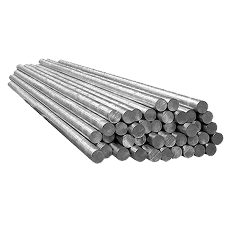
Carbon & Mild Steels
Used for structural components, build-ups, and general industrial repair:
- Mild steel (ER70-series equivalents)
- Carbon steels (various grades)
Stainless Steels
Used where corrosion resistance, toughness, or cleanliness is required:
- 316L
- 308L
- 309L
- 17-4 PH
- Other stainless grades (application-dependent)
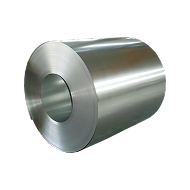
Nickel-Based Alloys
Used for high-temperature, corrosion-resistant, or high-stress applications:
- Inconel 625
- Inconel 718
- Other nickel alloys (case-by-case)
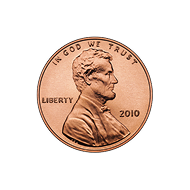
Titanium Alloys
Used for high strength-to-weight, fatigue-critical, or specialty components:
- Ti-6Al-4V (Grade 5)
- Other titanium alloys (application-dependent)
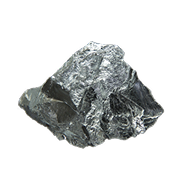
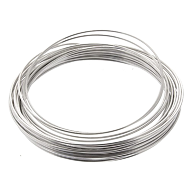
Aluminum Alloys
Used for lightweight components and near-net fabrication:
-
Aluminum alloys (e.g., 4xxx series and others)
(Application-specific; parameter selection required)
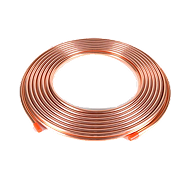
Copper & Copper Alloys
Used for thermal or electrical performance, wear, or specialty tooling:
- Bronze alloys
- CuCrZr
- Other copper alloys (application-dependent)
Specialty & Low-Expansion Alloys
Used for thermal or electrical performance, wear, or specialty tooling:
- Invar (nickel-iron alloys)
- Other specialty alloys evaluated on request
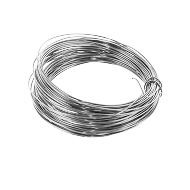
Break Free From Proprietary Supply Chains
It allows customers to explore a vast range of materials, far beyond our standard portfolio. The ability to print new materials gives businesses a unique competitive advantage, whether by improving part performance, reducing costs, or unlocking new applications.
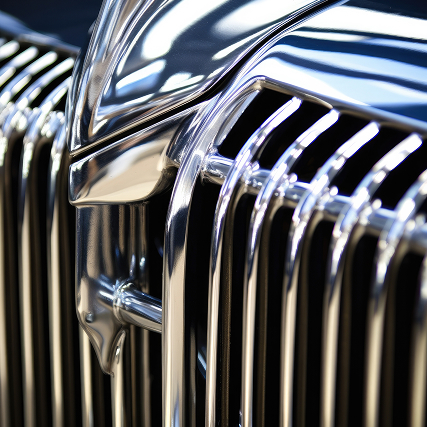
Multi-Material Capability
- Single-wire, dual-wire, or multi-wire deposition
- Enables graded materials or localized property control where appropriate
Material Notes
- All materials are supplied as standard industrial wire feedstock
- Some alloys may require parameter validation prior to production
-
We assist with material selection to ensure
compatibility with downstream finishing
Capabilities
Technical Capabilities
Process
Laser Wire Directed Energy Deposition (DED)
Maximum Work Envelope
- X: ~300 mm (11.8 in)
- Y: ~300 mm (11.8 in)
- Z: ~400 mm (15.7 in)
- (Service limited to removable or standalone components.)
Deposition Characteristics
- Low heat input and controlled melt pool
- Minimal distortion compared to conventional welding
- Strong metallurgical bonding to base material
- Capable of large, consistent material build-ups
- Suitable for repair, add-back, and near-net fabrication
Accuracy
- Near-net geometry
- Machining allowance recommended for tolerance-critical features
Wire Feedstock
- Industrial welding wire (standard spools)
Supported wire diameters:
- 0.8 mm
- 1.0 mm
- 1.2 mm
Finishing
- As-deposited condition
- Prepared for CNC machining, EDM, or grinding
- Finished parts coordinated through trusted finishing partners if required
Our Works
Project Portfolio
Our portfolio showcases precision-machined tooling, components, and prototypes produced for customers across the Tool & Die industry. Each project reflects Wire Foundry’s commitment to quality, accuracy, and dependable performance.
Lorem ipsum dolor sit amet consectetur adipiscing elit quisque faucibus ex sapien vitae pellentesque sem dolor sit.
Lorem ipsum dolor sit amet consectetur adipiscing elit quisque faucibus ex sapien vitae pellentesque sem dolor sit.
Lorem ipsum dolor sit amet consectetur adipiscing elit quisque faucibus ex sapien vitae pellentesque sem dolor sit.
Lorem ipsum dolor sit amet consectetur adipiscing elit quisque faucibus ex sapien vitae pellentesque sem dolor sit.
Lorem ipsum dolor sit amet consectetur adipiscing elit quisque faucibus ex sapien vitae pellentesque sem dolor sit.
Application Check
Is This a Good Fit?
Our additive metal manufacturing services are a good fit when:
- Metal needs to be added, rebuilt, or built near-net
- The component is removable or standalone
- Replacement from billet, casting, or forging is costly, slow, or wasteful
- Traditional welding or machining may introduce warping, cracking, distortion, or repeated revision cycles
- Traditional machining would require excessive roughing or material removal
- The part is medium to large in size or unsuitable for powder-bed metal printing
- Final tolerances will be achieved through CNC machining, EDM, or grinding
Rule of thumb:
If your part is too large for powder-bed metal printing, too inefficient to machine from billet, or prone to distortion with traditional welding, laser wire additive manufacturing is likely the right approach.